Empowering widows over 50 to find love, companionship, and new beginnings.

First Date Tips for Singles Over 50
Discover helpful first date tips designed for singles over 50 to build confidence, choose activities, communicate effectively, and prioritize safety for enjoyable dating experiences.


Dating after 50 can feel quite different from the experiences you might have had earlier in life. Whether you’re divorced, widowed, or simply starting fresh, the prospect of a first date brings its own mix of excitement and uncertainty. This guide offers practical advice tailored to singles over 50, helping you prepare mentally and practically, choose suitable activities, communicate effectively, and maintain safety—all with the goal of making your first date feel comfortable and enjoyable.
Understanding Your Mindset Before the Date
Before stepping out for a first date, it helps to get clear on your mindset. At this stage in life, many bring a wealth of experience and varied relationships behind them. Embracing this background can add richness and confidence to your interactions.
Managing expectations is crucial. It’s easy to feel pressure for the date to lead somewhere immediately or to compare it with past experiences. Instead, view the date simply as an opportunity to meet someone new, learn about them, and let things unfold naturally. Avoid putting too much weight on “the outcome” and instead focus on being authentic. Putting on a front just to impress can create stress for you and send mixed signals.
If you’ve been away from dating for some time—maybe after divorce or the loss of a long-term partner—rebuilding confidence may feel challenging. Resources on rebuilding confidence after divorce can be helpful with this. Remember that dating is part of a broader adjustment, so be patient with yourself and treat each date as a step forward, regardless of the outcome.
Ultimately, being genuine—sharing who you are and what you enjoy—tends to foster the most meaningful connection at any age.
Preparing Yourself Practically
Having a comfortable, well-planned date reduces distractions and lets you focus on the other person. When choosing your outfit, aim for a balance between comfort and confidence. The right clothing moves with you and suits the setting, whether that’s casual or a bit dressier. Avoid anything that feels restrictive or unfamiliar.
Plan your date according to your interests and energy levels. If you know a long evening might be tiring, consider something shorter or with natural breaks. Think about accessibility too—not just for yourself, but for your date. Venues with good parking, seating, and easy access will help keep things low-stress.
Setting a realistic time frame can prevent fatigue or discomfort from cutting the date short unexpectedly. It’s usually better to end a bit earlier on a positive note than to push on past your comfort.
Choosing the Right First Date Activity
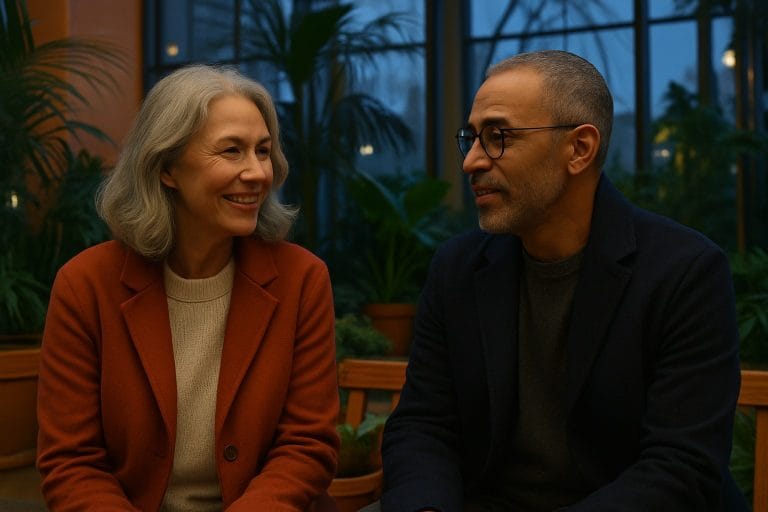
Low-pressure activities that encourage relaxed conversation tend to work best, especially on a first meeting. Meals are traditional but can feel formal or lengthy if nerves are high. Alternatives include coffee shops, casual walks in a park, or visiting a museum where you can share thoughts and observations naturally.
Both indoor and outdoor options are important to consider depending on your preference and the season. Indoor venues like art galleries or bookshops provide cozy spaces, while outdoor options might include botanical gardens, local events, or scenic paths.
Shared interests always help create common ground, so if you know something about your date’s hobbies or if you’re both fans of a certain activity, that’s a good place to start. Still, it’s okay to suggest alternatives if the initial plan doesn’t suit your preferences or abilities. A simple, polite suggestion can help maintain rapport and ensure everyone enjoys the experience.
Communicating Effectively on the First Date
Good conversation can make or break a first date. Start with open-ended questions that invite more than yes-or-no answers—“What kinds of activities do you enjoy now?” or “Have you discovered any new hobbies recently?” encourage sharing without pressure.
At the same time, pace your sharing to avoid oversharing personal or sensitive details too soon. It’s a balance of giving enough information to be interesting and approachable, while maintaining boundaries that make both of you comfortable.
Be attentive to verbal and non-verbal cues: tone of voice, eye contact, posture, and facial expressions. These can signal how interested or relaxed your date feels. If you sense hesitation or discomfort, gently change the topic or ask if everything feels okay.
A sound conversational rhythm involves both listening and sharing. Showing genuine interest by asking follow-up questions creates mutual engagement and rapport.
Managing Safety and Boundaries
Safety is always a priority. Before the date, share your plans with a trusted friend or family member: where you’re going, who you’re meeting, and the expected time.
Meet in public places where others are around—restaurants, coffee shops, or community centers are good choices for a first encounter. Avoid isolated or unfamiliar settings.
Be clear about your personal boundaries and pay attention to cues if your date seems to disregard them. Saying no or expressing discomfort is completely appropriate. If anything feels off, trust your instincts—don’t hesitate to leave or seek help if needed.
Online dating brings additional safety considerations. Keep early conversations on the dating platform to protect your contact information. Never send money or share financial details. If you want to video chat before meeting, that can offer added assurance. Check out our detailed online dating safety tips for more guidance relevant before and after you meet someone in person.
Navigating Emotions and Expectations Post-Date
After your date, take time to reflect honestly on how things went. What aspects felt positive? Was the conversation comfortable? Did you feel respected and at ease? Also, consider areas that could improve—not as a critique of yourself or the other person but as useful insight for future dates.
It’s natural to feel some nerves or disappointment if things didn’t go as hoped. Approach these feelings with kindness toward yourself rather than harsh judgment. Dating takes practice and self-compassion.
When deciding your next steps, communicate your intentions clearly. If you want to see the person again, a simple message expressing that usually works best. If not, a polite thank-you closes the interaction respectfully.
If you find yourself unsure about how to move forward—or want to refresh your approach—revisiting advice on how to start dating again after 50 can be helpful.
When to Consider Dating Platforms and Tools
Many singles over 50 find dating platforms useful for meeting compatible people, especially if their social circles feel limited. Online sites and apps can offer different experiences depending on design and target audience.
For example, comparing sites like OurTime vs Match can help you decide which might suit your preferences better. OurTime is often geared toward older singles and can be simpler to use, while Match may have a broader user base and more detailed profile options.
Think about what you want out of dating—casual companionship, friendship, or serious relationships—because different platforms attract different intentions. Some offer matching algorithms, while others depend more on user search and messaging.
Keep in mind communication features, subscription costs, privacy policies, and ease of use. No platform can guarantee safety or compatibility, so continue to apply cautious judgment and incorporate offline opportunities like community groups or hobby clubs to meet people naturally.
Conclusion
First dates after 50 are less about perfection and more about connection. Taking the time to prepare yourself mentally and practically can help the experience be smoother and more enjoyable. Try to stay patient, open, and respectful—both of your date and your own boundaries.
Prioritizing your well-being means choosing settings and activities that feel right for you, communicating honestly, and staying alert to safety concerns. With these tips, you set yourself up for a better chance at forming rewarding connections, whatever path your dating life takes.
Frequently Asked Questions
1. How can singles over 50 manage nerves and expectations before a first date?
Managing nerves starts with adjusting your mindset. View the date as a relaxed opportunity to meet someone new rather than placing pressure on it to lead to a serious relationship immediately. Embrace your life experience as a strength, and focus on being authentic instead of trying to impress. Patience and self-kindness are key, especially if you’re returning to dating after a long break.
2. What are some ideal first date activities for adults over 50?
Low-pressure, comfortable activities that encourage conversation work best. Consider meeting for coffee, taking a casual walk, or visiting a museum or botanical garden. Choose places that are easily accessible and suit your energy level. Shared interests are a great starting point, but it’s perfectly fine to suggest alternatives if needed to ensure both of you enjoy the date.
3. How should I choose what to wear on a first date after 50?
Select clothing that balances comfort with confidence. Your outfit should be appropriate for the setting and allow you to move naturally without feeling restricted. Stick with familiar styles that make you feel good rather than trying something new that might cause discomfort or distraction.
4. What are important safety tips to keep in mind when dating after 50?
Always meet for the first time in public places with plenty of people around. Share your plans with a trusted friend or family member, including where you’re going and when you expect to return. Maintain clear boundaries and trust your instincts—if something feels wrong, it’s okay to end the date early. When dating online, keep communication on the platform until you feel comfortable, avoid sharing financial details, and consider video chats as a safety check before meeting in person.
5. How should I communicate on a first date to build a genuine connection?
Use open-ended questions that encourage your date to share experiences and interests. Listen actively and show curiosity with follow-up questions. Share about yourself in a balanced way—enough to be approachable but without oversharing. Pay attention to verbal and non-verbal cues, and adjust the conversation if you sense discomfort. Keeping the dialogue mutual and respectful helps build rapport naturally.