Empowering widows over 50 to find love, companionship, and new beginnings.

Romance Scam Warning Signs Every Senior Should Know
Discover essential warning signs of romance scams targeting seniors and practical tips to recognize, avoid, and report online dating fraud.

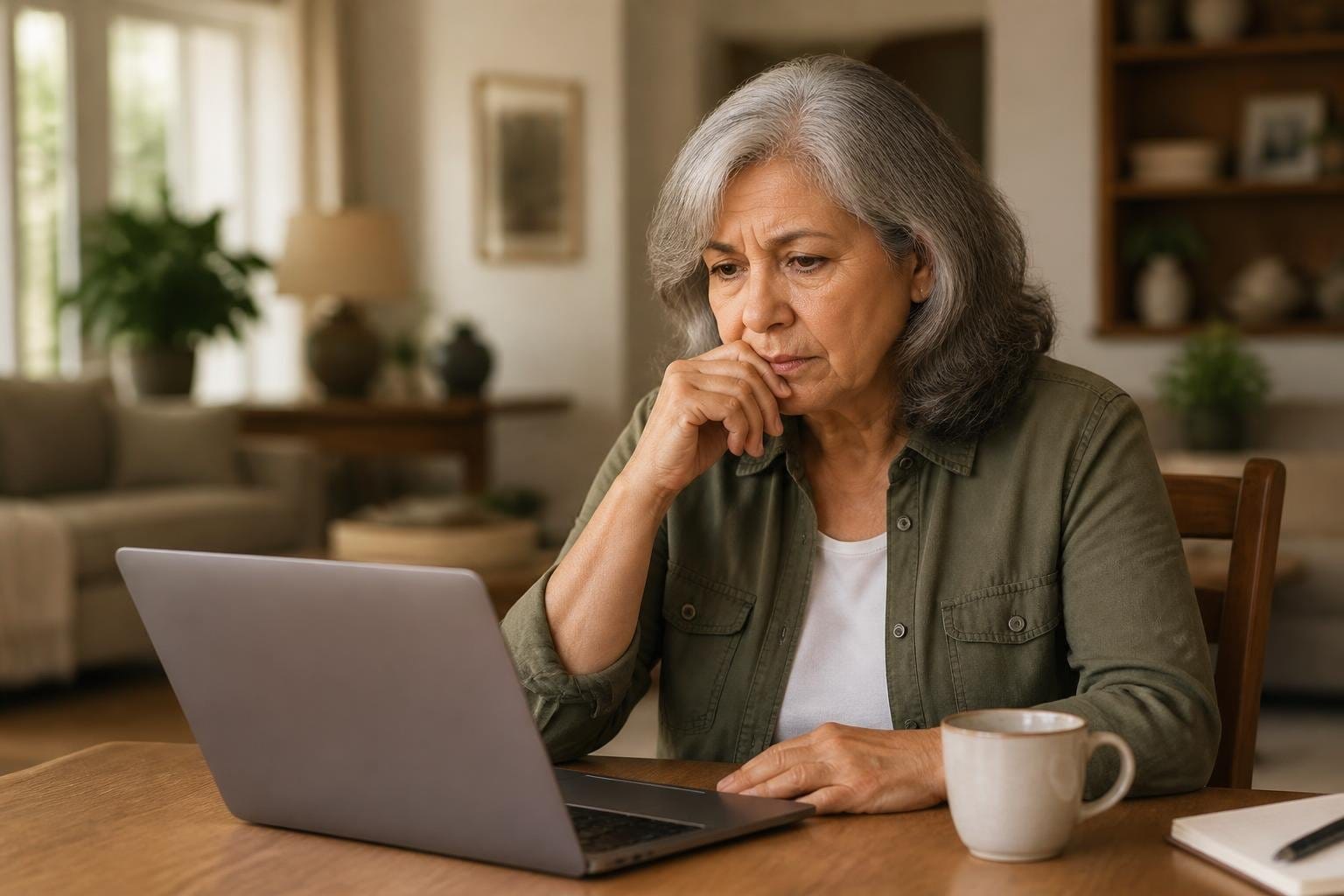
Romance scams are a growing concern for many adults 50 and older who look for companionship online. While online dating offers opportunities to connect, it can also expose seniors to sophisticated scammers preying on their trust and kindness. This article outlines the warning signs of romance scams, explains why seniors are frequent targets, and offers practical advice to recognize and avoid these scams.
Understanding Romance Scams and Why Seniors Are Targeted
Romance scams typically involve a fraudster creating a fake online persona to build a romantic relationship with a victim, often over weeks or months. The goal is to gain trust and extract money, gifts, or sensitive personal information. Common tactics include emotional manipulation, quick declarations of love, and contrived emergencies requiring financial help.
Adults over 50 are targeted more often for several reasons. Many seniors seek companionship and may be more trusting or less familiar with online risks. Additionally, retirees often have more financial resources or stable income, making them appealing targets. Loneliness and life transitions such as widowhood or divorce can make seniors more vulnerable to scammers who offer attention and affection.
The fallout from romance scams can be devastating. Financial losses often range from hundreds to thousands of dollars, sometimes causing hardship if retirement savings are affected. Emotional impacts include heartbreak, embarrassment, and lasting mistrust of online relationships. Recognizing scam warning signs early helps protect seniors from these consequences.
Common Romance Scam Warning Signs to Watch For
While scammers adapt their tactics, several classic warning signs frequently appear in romance scams:
-
Rapid escalation of romantic feelings: Scammers often profess strong attraction or love quickly, sometimes within days. This rush can be a ploy to create emotional attachment before skepticism sets in.
-
Requests for money, gifts, or financial help: The most significant red flag is any request for money—whether for medical emergencies, travel expenses, business troubles, or other urgent needs.
-
Inconsistent or vague personal information: Profiles or messages that conflict about a person’s background, job, location, or family situation warrant suspicion.
-
Avoidance of in-person meetings or video chats: Scammers often evade showing their face through video calls or arranging in-person encounters, citing excuses like travel issues, work commitments, or privacy concerns.
-
Poor or unusual grammar and spelling: Many scam messages include language errors or awkward phrasing, reflecting that scammers often operate from non-English-speaking countries.
-
Pressure to keep the relationship secret or move conversations off the platform: Secrecy requests often aim to prevent intervention by dating sites or friends who might flag suspicious behavior.
How to Identify Suspicious Online Behavior
Beyond these signs, certain behaviors suggest fraudulent intent:
-
Fake profiles and photos: Scammers frequently use stolen or stock photos rather than real images. Running a profile photo through web tools that perform reverse image searches can help verify authenticity.
-
Verifying identity through safe methods: Genuine connections are usually willing to share verifiable details or join video calls. If someone refuses basic verification repeatedly, that’s cause for concern.
-
Warning signs in communication patterns: Messages that seem scripted, overly generic, or excessively flattering may come from scam profiles programmed to lure multiple targets.
-
Emotional manipulation tactics: These include eliciting sympathy with tragic stories or creating urgency to gain money quickly. They may also isolate victims by encouraging distrust of family and friends.
Safe Communication Practices for Seniors Online
Keeping communication secure is key to avoiding scams:
-
Keep personal information private: Don’t share sensitive details like your home address, financial data, Social Security number, or full birthday with someone new online.
-
Verify dating profiles: Use the dating platform’s verification features when available, and ask direct questions to check consistency.
-
Handle money or gift requests diplomatically: Politely decline any requests for money or help. Genuine romantic interests will respect your boundaries.
-
Report suspicious behavior promptly: Notify dating site administrators when you encounter suspicious profiles or messaging. If a scam has caused financial loss or identity theft, consider reporting to local police and the Federal Trade Commission.
For more detailed advice on staying secure while dating over 50, review these online dating safety tips for adults over 50.
Resources and Support for Seniors Encountering Romance Scams
If you suspect or have been affected by a romance scam, you’re not alone, and help is available:
-
Consult local consumer protection agencies or adult protective services for assistance.
-
Reach out to national organizations focused on senior safety and fraud prevention.
-
The Federal Trade Commission (FTC) accepts scam reports online and offers recovery guidance.
-
Contact your bank or credit card company immediately if you think finances were compromised.
Taking prompt steps can limit damage and support recovery emotionally and financially.
Protecting Yourself While Dating Online
Choosing the right dating platform matters when seeking romance later in life. Platforms vary in their audience, features, and safety protocols.
-
Sites tailored to singles over 50 may offer age-appropriate matchmaking but differ in verification methods or communication tools.
-
Some dating sites emphasize detailed profiles and compatibility matching, while others prioritize user-driven searches and interactions.
-
Subscriptions can range from free to premium; free sites sometimes have fewer safeguards or more scam accounts.
-
Bear in mind that no platform can fully guarantee safety or relationship success.
Before you start exploring options, review Lasting Harbor’s guide to the best dating sites for singles over 50 to find platforms that fit your preferences and approach to security.
Additional steps for safer dating:
-
Keep early conversations on the dating site or app messaging system.
-
Use video calls before meeting in person to confirm identity.
-
Meet for the first time in public places, and tell a trusted friend or family member your plans.
-
Trust your instincts and don’t hesitate to end contact if something feels off.
Conclusion
Awareness is the best defense against romance scams targeting seniors. Look out for rushed romantic declarations, money requests, inconsistent details, and evasive behavior. Use practical methods to verify identities, keep communication secure, and report suspicious activity.
Online dating can be a positive experience when approached thoughtfully and cautiously. Prioritize your emotional well-being and financial safety, and don’t hesitate to seek help if you encounter troubling situations. Being informed helps you enjoy the benefits of connection while minimizing risks.
Frequently Asked Questions
1. How can I tell if someone I’m dating online might be a romance scammer?
Look for warning signs such as quick declarations of love, inconsistent personal details, requests for money or gifts, avoidance of video calls or in-person meetings, and pressure to keep your relationship secret or move conversations off the dating platform. Poor grammar or unusual language can also be a clue.
2. What should I do if someone I’m talking to online asks me for money or financial help?
Never send money or share financial information with someone you only know online, no matter how convincing their story sounds. Politely decline the request and consider ending contact. Report the suspicious behavior to the dating site administrators immediately.
3. How can I verify if an online dating profile is real and trustworthy?
Use reverse image searches on profile photos to check if they appear elsewhere on the internet. Ask the person specific questions about their life and pay attention to consistency in their answers. Genuine individuals usually agree to video calls to confirm their identity.
4. What steps can I take to protect my personal information while dating online?
Keep sensitive details like your full address, financial information, Social Security number, and exact birthdate private until you trust someone completely. Communicate through the dating site’s messaging system before moving to other platforms, and avoid sharing information that scammers could use to steal your identity.
5. If I suspect I’ve been targeted by a romance scam, what resources are available for help?
Contact the dating platform’s support to report suspicious profiles. Reach out to consumer protection agencies, adult protective services, or the Federal Trade Commission (FTC) to file a report. Notify your bank or credit card company immediately if you notice unauthorized charges or think your financial info was compromised.