Empowering widows over 50 to find love, companionship, and new beginnings.

Ghosting After 50: Why It Happens and How to Move Forward
Explore why ghosting happens after 50 and discover practical ways to heal, rebuild confidence, and approach dating with hope and healthy boundaries.

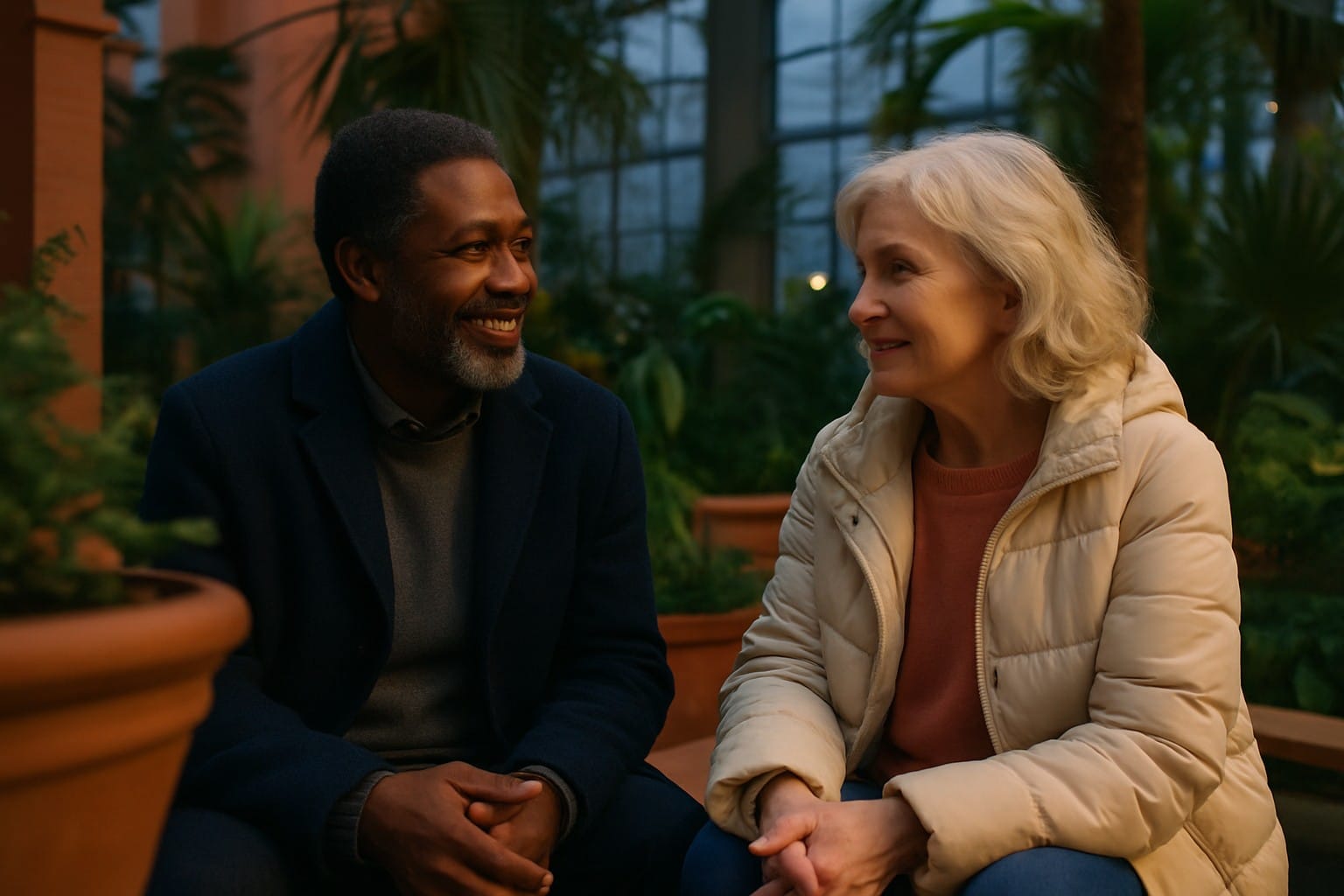
Ghosting—when someone suddenly cuts off all communication without explanation—can be jarring at any age. Yet for adults dating after 50, it sometimes carries unique emotional complexities and situational nuances. Understanding why ghosting happens in this stage of life and how to respond can help you reclaim your confidence and approach future connections with more clarity.
Understanding Ghosting in the Context of Dating After 50
Ghosting generally means the abrupt and unexplained disappearance of a romantic interest. It often looks like text messages, calls, or emails going unanswered without a final word from the other person. You might have gone on a few dates or enjoyed an ongoing conversation that simply stops, leaving you uncertain and wondering what went wrong.
Dating after 50 can add layers to these experiences. Many adults over 50 bring rich, complex backgrounds into relationships—previous marriages, blended families, caregiving roles, and long-established lifestyles. This means that ghosting scenarios may not just be about hurt feelings but also entangle real-world pressures and priorities.
Emotionally, ghosting at this stage can cut deeper. It can challenge your sense of vulnerability and trust after years of relationship experience. You might wonder if your efforts were valued or if you misread signals. The sting of silent rejection may clash with the hope and care you’ve invested, intensifying feelings of confusion or disappointment.
Common Reasons Ghosting Happens After 50
Several factors commonly contribute to ghosting in dating over 50:
-
Fear of confrontation and awkwardness. Some prefer to avoid uncomfortable conversations, especially if they worry about hurting someone’s feelings. They might find it easier to disappear rather than explain why they’re no longer interested.
-
Complex life circumstances. Adult children, caregiving duties, health issues, or work commitments can greatly impact availability or emotional energy. These situations can cause someone to pull back abruptly, sometimes without communicating their reasons.
-
Challenges with digital dating. Online communication styles and expectations may differ among older adults, making misinterpretations easier. Some might also feel overwhelmed by the volume or pace of messages, leading to withdrawal.
-
Emotional readiness and hesitation about commitment. After years of relationship experience, some may be cautious about jumping in again. They might start something but retreat if they sense uncertainty about matching goals or compatibility.
Recognizing these reasons can help you depersonalize ghosting—it’s often more about the other person’s circumstances and choices than about your worth.
Recognizing the Signs and Patterns of Ghosting After 50
While no approach is foolproof, some early signs might suggest ghosting is possible:
- Responses become delayed or less frequent over time without clear justification.
- Conversations shift from engaging to curt or noncommittal.
- Plans to meet or talk repeatedly get postponed with vague reasons.
Still, it’s important to distinguish ghosting from genuine communication lapses. Life often brings interruptions, especially in later adulthood. Missing messages or a temporary pause doesn’t necessarily mean ghosting is underway. Confirming rather than assuming can prevent unnecessary hurt.
Compared to younger dating groups, ghosting patterns after 50 might be less about casual indifference and sometimes more tied to real-life disruptions or cautiousness. The pace of communication often is slower, and the stakes may feel higher, so abrupt silence can feel sharper.
Emotional and Practical Steps to Take Immediately After Being Ghosted
If you find yourself ghosted, your feelings are valid. It’s normal to feel hurt, confused, or frustrated—but blaming yourself only adds to the pain.
Consider these steps:
-
Allow yourself to feel without judgment. Grieving the loss of a potential connection is natural. Acknowledge your emotions without saying “I shouldn’t feel this way.”
-
Practice emotional self-care. Engage in activities that help ground you—talk to trusted friends, enjoy nature, focus on hobbies or exercise. Avoid ruminating on what went wrong.
-
Maintain perspective. Remember, ghosting reflects the other person’s unwillingness or inability to communicate. It’s about their choices, not your value.
-
Decide about reaching out. Sometimes sending a brief, polite message to ask for clarity can help—but if you receive no reply, resist chasing explanations. There’s dignity in preserving your peace.
Moving Forward: Rebuilding Confidence and Trust in Dating
Re-engaging with dating after ghosting doesn’t mean ignoring your feelings, but it does involve gradual healing:
-
Manage anxiety and fears about dating again. To build your comfort and calm, check out practical advice on how to cope with fear of dating again. This resource offers approaches tailored to managing vulnerability and openness post-breakup or loss.
-
Set healthy boundaries and watch for red flags. Know what you will and won’t accept in communication and behavior. Reading about common relationship red flags can help you spot early warning signs and avoid repeated disappointments.
-
Balance optimism with caution. It’s wise to stay hopeful about meeting new people while keeping your standards clear. Let your instincts guide you and allow time to build trust gradually instead of rushing.
Navigating Online Dating and Social Opportunities Post-Ghosting
Many adults over 50 turn to online platforms for dating. While convenient, digital environments can also contribute to burnout or frustration:
-
Be alert to your own feelings of fatigue by recognizing the symptoms and coping techniques described in dating app burnout after 50. Stepping back when overwhelmed protects your emotional health.
-
Consider alternative ways to meet others, like community groups, classes, volunteer work, or social clubs. These settings often foster more natural, face-to-face interaction and may feel safer or more genuine.
-
Reintroduce yourself to dating gradually. Avoid putting pressure on immediate results; instead, focus on engaging comfortably and on your own terms to regain a sense of agency and enjoyment.
When using dating apps or websites, remember safety basics: keep conversations on the platform initially, avoid sharing financial or sensitive information, and if you meet in person, choose well-populated public venues and inform someone you trust about your plans.
When to Seek Support Beyond Self-Help
Sometimes ghosting can stir emotional pain or fears that are difficult to manage alone. If feelings of rejection or loneliness interfere with your daily life or well-being, professional help or peer support groups may offer valuable guidance.
Look for therapists specializing in relationships or midlife changes, as well as in-person or online support groups tailored to adults dating after divorce, loss, or separation. These resources provide safe spaces to explore feelings, develop coping skills, and gain perspective.
Conclusion: Embracing Your Dating Journey Beyond Ghosting
Being ghosted can feel like a punch to your confidence, but it’s important to remember that this behavior reveals something about the other person—not about your worth or desirability. As you move forward, treat yourself with kindness and realistic expectations.
Open yourself to forming connections grounded in respect and honesty. By learning from each experience, setting clear boundaries, and nurturing your emotional health, you create the conditions for healthier relationships down the road. Ghosting is an unpleasant hurdle—not a permanent barrier—to finding meaningful companionship.
Frequently Asked Questions
1. Why does ghosting happen more often when dating after 50?
Ghosting after 50 often stems from factors beyond simple disinterest. Many adults juggle complex lives involving past relationships, caregiving, health, and work demands. Some avoid difficult conversations to spare feelings or due to discomfort with confrontation. Others may struggle with digital communication or hesitate to commit again. Understanding these reasons can help you see ghosting as more about the other person’s situation than your value.
2. How can I tell if someone is ghosting me or just busy?
Look for patterns like increasingly delayed or minimal responses, noncommittal replies, and repeatedly postponed plans with vague excuses. However, remember that life can cause genuine interruptions, especially later in life. If you’re unsure, a polite message asking for clarification can offer insight. Avoid jumping to conclusions without some confirmation to prevent unnecessary hurt.
3. What are healthy ways to cope emotionally right after being ghosted?
Allow yourself to feel your emotions without judgment, whether sadness, confusion, or frustration. Engage in self-care by spending time with friends, enjoying nature, or pursuing hobbies that ground you. Maintain perspective by reminding yourself that ghosting reflects the other person’s choice, not your worth. If you decide to reach out for clarity, do so respectfully, but don’t chase a response if none comes.
4. How can I rebuild trust and confidence to date again after being ghosted?
Start by managing anxiety and fears with practical strategies that focus on vulnerability and openness at your own pace. Set clear boundaries around communication and behavior that you find acceptable. Balance optimism with caution—stay hopeful but allow relationships to develop gradually. Trust your instincts and take time to feel comfortable before fully investing in new connections.
5. What precautions should I take when using online dating platforms after being ghosted?
Be mindful of signs of burnout or emotional fatigue and take breaks when needed. Consider diversifying social interactions by joining community events or interest groups to foster face-to-face connections. Practice safety by keeping initial conversations on the platform, withholding sensitive information, and meeting in public places while informing a trusted person. Approach online dating with clear boundaries and on your own terms to protect your well-being.