Empowering widows over 50 to find love, companionship, and new beginnings.

How to Verify Someone You Met Online Before Meeting in Person
Discover practical steps to verify the identity of someone you met online, ensuring safety and trust before meeting in person, tailored for adults over 50.

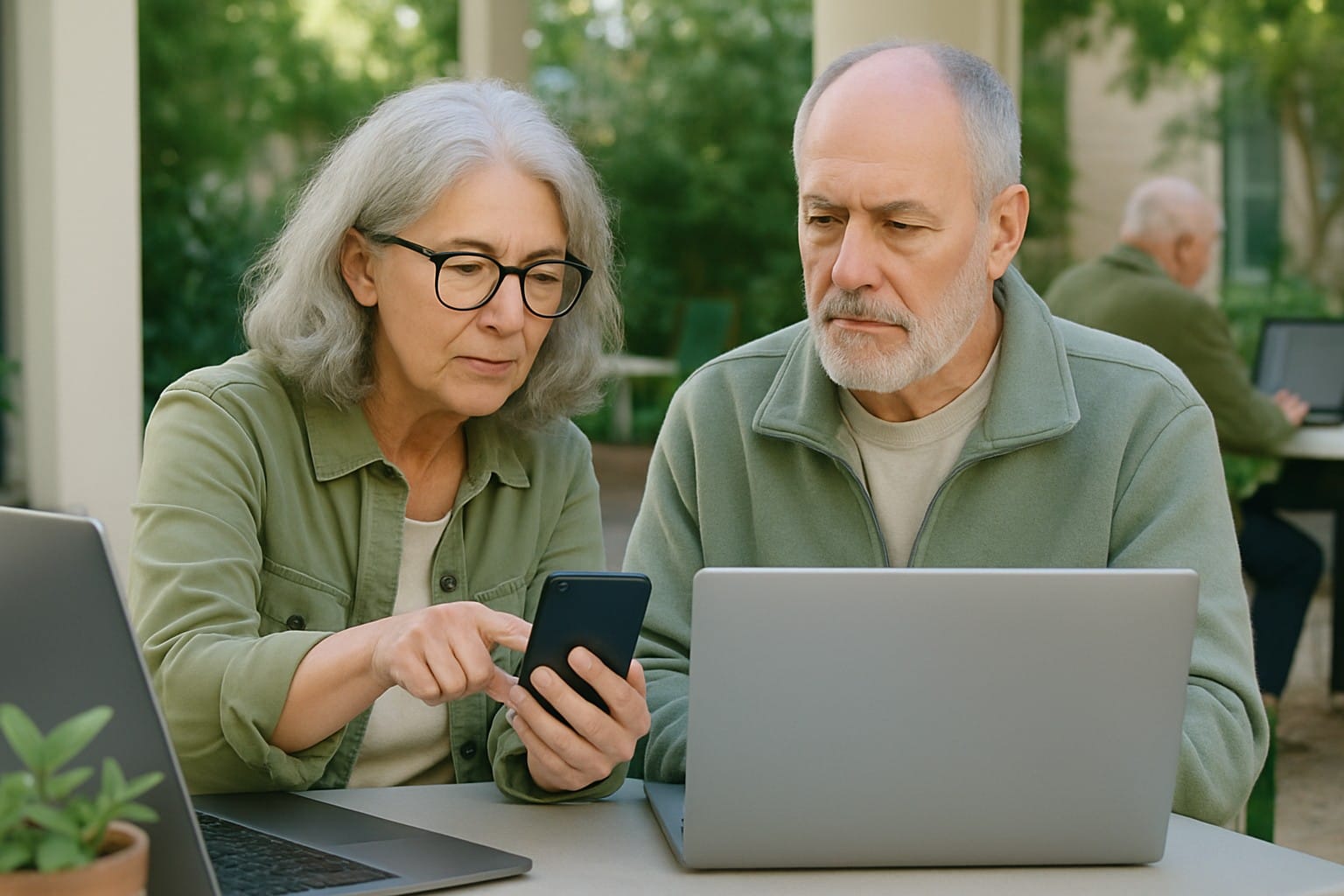
Meeting new people online can be exciting, but verifying who they really are before meeting in person is important—especially for adults over 50 who may be more vulnerable to scams or misrepresentations. No single step can guarantee someone’s identity or intentions. Instead, relying on multiple checks over time helps reduce risks and protect your safety. This guide offers practical advice on how to verify an online date through a series of layered steps.
Why One Check Is Never Enough
Confirming identity online is challenging because profiles and communication can be manipulated or misleading. A single check—like a reverse-image search or a brief video call—only provides one piece of the puzzle. Scammers often use stolen photos, fake information, or sophisticated tools like AI-generated images and voices. That’s why layering checks across profile review, searches, conversations, and verification is essential to build confidence before meeting.
Relying solely on one verification method increases vulnerability to fraud and harm. Multiple steps create a clearer picture and more opportunities to spot inconsistencies. Taking time to verify also helps you gain trust gradually, setting a stronger foundation for a safer relationship.
What Verification Can and Cannot Establish
Online verification can reveal whether someone’s photos, personal story, or background claims match publicly available information. It may expose stolen or recycled images, inconsistent life details, or suspicious employment claims. This information is useful but has limits:
- Photos can be recycled or AI-generated and may not yield results in reverse-image searches.
- Stories may vary because people differ in how much they share or remember.
- Scammers sometimes impersonate real professionals or show doctored documents.
- Inconsistencies don’t always mean dishonesty; sometimes they point to caution or privacy preferences.
Use verifications as clues, not proof. If something doesn’t add up, pause and take another look or consult a trusted friend. Jumping to conclusions without evidence can cause unnecessary distress.
Keep Early Conversations on the Dating Platform
Dating platforms often provide safety features that help you stay in control, such as:
- Tools to block or report suspicious users.
- Systems that track profiles and detect fraudulent behavior.
- Messaging environments that limit sharing of sensitive personal data.
- Records that the platforms themselves may review for abuse.
It’s wise to keep most early conversations within the dating app or website before sharing email, phone numbers, or moving to private texting apps. Be alert if someone pressures you to move communication off-platform quickly—it can reduce your protection and make abuse easier. Healthy dating encourages mutual comfort and patience in communication.
Some signs to watch for:
- Urgent requests to switch to WhatsApp, Signal, or email early on.
- Claims that the dating app is unreliable or expensive.
- Requests to click on unfamiliar links or install new apps.
- Repeated asks for your home address or financial info before trust is established.
Using the platform’s messaging tools while continuing to verify can keep you safer as you get to know someone.
Review the Profile and Personal Story for Consistency
Beyond photos, carefully read through the person’s profile and personal story for internal consistency. Look for:
- Age, location, and time zone alignment with shared details.
- Occupation and education claims that make sense and are verifiable.
- Relationship history that isn’t vague or overly dramatic.
- Interests that match or relate naturally to their story.
- Writing style and grammar that remain steady over time.
Be cautious with:
- Profiles that appear too perfect or polished, with generic praises or flattering language.
- Contradictions between photos and stated age or timeline.
- Rapid location changes without reasonable explanation.
- Vague, evasive, or scripted responses in conversation.
- New accounts with few interactions and mostly generic comments.
Respect privacy preferences. Some genuine individuals share little information by choice, especially older adults cautious about exposure. But lack of detail combined with other warning signs could justify more scrutiny.
Search the Person’s Name, Job, and Distinctive Details
An independent internet search can reveal whether claimed details hold up beyond the dating profile. Try searching:
- Full name in quotation marks to limit unrelated results.
- Username, phone number, or email if shared.
- Claimed occupation plus “scammer” or “imposter” to filter potential red flags.
- City and employer names.
- Unusual stories or statements copied from messages.
Look for:
- Matching personal stories under different names or profiles.
- Scam reports or warnings tied to the name or details.
- Employment that cannot be confirmed or seems unclear.
- Social-media activity consistent with the person’s narrative.
Remember the limitations: many adults over 50 have limited online footprints. Absence of results does not prove authenticity, and common names may cause confusion. Don’t rely only on links provided by the person. Cross-check details carefully with more than one source.
Use Reverse-Image Search Correctly
Reverse-image searches are recommended by the FTC, FBI, and AARP to check profile photos. Here’s how to do it well:
- Use Google Images, Bing Visual Search, or TinEye.
- Upload several photos, including the main profile image, casual pictures, or travel photos.
- Include any images sent privately before meeting.
What to watch for:
- The same photo appearing on different profiles or associated with another name.
- Matches to public figures, models, military personnel, or stock images.
- Patterns where photos appear widely used across multiple sites.
- Older sources showing the image predates the claimed event or person.
Don’t assume a no-match means the person is genuine; newer or AI-generated images may yield no results. Crop, filters, or edits may also hide images from detection.
Using multiple photos and different search tools increases your chances of spotting duplicated or stolen images but remember reverse-image search is one tool—not definitive proof.
Use a Live Video Call, with Deepfake Limitations
A live video call can help you confirm a person resembles their photos and engage in natural conversation. When you video chat:
- Notice if their appearance and age match the profile.
- Observe eye contact, facial expressions, and natural responses.
- Pay attention to background details and the time of day aligning with their stated location.
- Look for signs of video or audio manipulation such as freezing, unusual shadows, or odd facial movements.
Be aware that criminals may use deepfake or synthetic videos to impersonate others. The FBI warns this technology is advancing, meaning even video calls aren’t foolproof verification. Reluctance or refusal to video chat can be a red flag but isn’t definitive proof of dishonesty.
If you want to learn more about using video calls safely, see our article on video call before a first date.
Keep video calls respectful and avoid confrontational tests that may damage rapport.
Verify Employment and Credentials Independently
Claims about employment, professional licenses, or military service should be verified separately from anything provided by the person. Take these steps:
- Contact the employer directly using an official company website or phone number, not info supplied by the date.
- Check licensing boards for doctors, lawyers, real-estate agents, or therapists via state databases.
- Verify investment or financial advisors through SEC, FINRA, or state securities regulators.
- Look up university staff directories for academic claims.
- Do not trust military service claims solely based on uniform photos or ID scans.
Keep in mind scammers may impersonate real professionals. A genuine name in a directory doesn’t mean the person messaging you is that individual. Spoofed phone numbers or emails are possible. Independent, official sources remain the most reliable verification.
Protect Personal Information During Verification
When getting to know someone online, protect your sensitive personal details:
- Don’t share Social Security numbers, copies of ID documents, bank or retirement account info, passwords, or security answers.
- Avoid revealing your home address or detailed travel plans until trust is well established.
- Use platform messaging for conversations rather than personal email or texting at first.
- Consider a separate email account for dating communications.
- Review and adjust privacy settings on social media.
- Remove location data (metadata) from photos you share.
- Keep your online accounts secure with strong passwords and multi-factor authentication.
For guidance tailored to older adults on guarding your information in dating apps, visit protect your privacy on dating apps.
Money Requests That Should End Contact Immediately
Any request for money, gifts, cryptocurrency, or financial help before meeting in person is a major warning sign of a scam. Scammers often build trust and then pressure for financial assistance using stories about emergencies, travel expenses, or investment opportunities.
Keep in mind:
- A seemingly real identity does not guarantee safe financial requests.
- Demands for secrecy or urgent action should raise concerns.
- Requests to receive or forward money or open accounts for someone else are dangerous.
- Investment advice or asks for cryptocurrency transfers from an online date are likely scams.
If you encounter money requests, cease contact immediately and consider reporting the profile. For more on common tactics, see our romance scam warning signs.
Planning the First In-Person Meeting Safely
Even after careful verification, safety planning matters:
- Choose busy, well-lit public places such as cafes, restaurants, or community centers.
- Use independent transportation and do not accept rides to or from your home.
- Share meeting details, including who, where, and when, with a trusted friend or family member.
- Set check-in times during or after the date.
- Keep your phone charged and personal belongings secure.
- Avoid private homes, hotels, isolated areas, or vehicles on first dates.
- Be prepared to leave promptly if the situation feels uncomfortable or unsafe.
These steps prioritize your safety without assuming distrust, helping ensure you stay in control during the meeting.
What to Do When Details Don’t Add Up
If you notice contradictions, pressure to hide details, reluctance to verify, or evasive answers:
- Trust your instincts—they are important signals.
- Pause or stop communication without needing confrontation.
- Consult a trusted friend or family member for a second opinion.
- Save evidence such as messages, photos, and profile URLs in case reporting is needed.
- Avoid sharing new personal information until concerns are resolved.
It’s always valid to end contact if doubts persist; you don’t owe anyone your time or safety.
Reporting Resources and Next Steps
If you suspect fraud or harmful intent, reporting helps protect you and others:
- Use dating platform tools to report suspicious profiles.
- File complaints with the Federal Trade Commission at ReportFraud.ftc.gov.
- Contact the FBI Internet Crime Complaint Center at IC3.gov.
- If personal identity information is compromised, visit IdentityTheft.gov for recovery help.
Reporting supports investigations and raises public awareness of scam patterns.
Conclusion
Online verification can reduce the risk of meeting someone with false intentions, but it cannot guarantee their true identity. By layering multiple methods—from profile and story review to reverse-image searches and video calls—you create a stronger safety net. Always keep early conversations on the dating platform, protect your personal information, and stay alert for red flags like financial requests or pressure to move quickly.
Prioritize your personal safety and involve trusted friends when possible. Remember, ending contact is always your right if anything feels uncertain. Taking these steps helps you meet new people more confidently and safely in today’s online dating world.
Frequently Asked Questions
1. Why is it important to use multiple verification steps before meeting someone from an online dating site?
One verification method alone—like a reverse-image search or a video call—cannot fully confirm a person’s identity or intentions. Scammers may use fake photos, stolen identities, or advanced technology such as AI-generated images and voices. Layering checks across profile review, personal story consistency, online searches, and live interactions helps spot inconsistencies and build trust gradually, reducing risks of fraud or harm.
2. How can I protect my personal information while verifying someone online?
Keep early conversations on the dating platform to utilize its safety features and avoid sharing sensitive details like your home address, Social Security number, financial information, or copies of ID documents. Consider using a separate email account for dating communications and adjust privacy settings on social media. Never share passwords or security answers. Protecting your information reduces vulnerability to identity theft or scams.
3. What should I look for when reviewing a person’s online dating profile and story?
Check if age, location, occupation, and interests align logically and remain consistent over time. Be cautious if profiles seem overly polished, contain contradictions, or have vague or scripted responses. Rapid location changes or new accounts with few interactions are red flags. However, respect that some people may share minimal info for privacy, so assess all signs collectively.
4. How reliable is a live video call for verifying someone’s identity?
A live video call lets you see if a person matches their photos and communicate naturally, which helps build trust. However, be aware of deepfake and synthetic video technologies that can impersonate someone convincingly. Signs like unnatural movements or freezing might indicate manipulation. While reluctance to video chat is suspicious, it isn’t definitive proof of dishonesty. Approach video calls as one of several verification tools.
5. What steps should I take if I encounter financial requests from someone I met online?
Any request for money, gifts, or financial help before meeting in person is a major warning sign of a scam. Do not send money or share financial details. End contact immediately and report the profile to the dating platform and relevant authorities. Scammers often fabricate urgent stories or investment opportunities to pressure victims, so maintaining firm boundaries protects your safety and finances.