Empowering widows over 50 to find love, companionship, and new beginnings.

Dating After the Loss of a Spouse: Signs You May Be Ready
Learn how to recognize emotional readiness, take practical steps, and respect boundaries when dating after the loss of a spouse over 50.

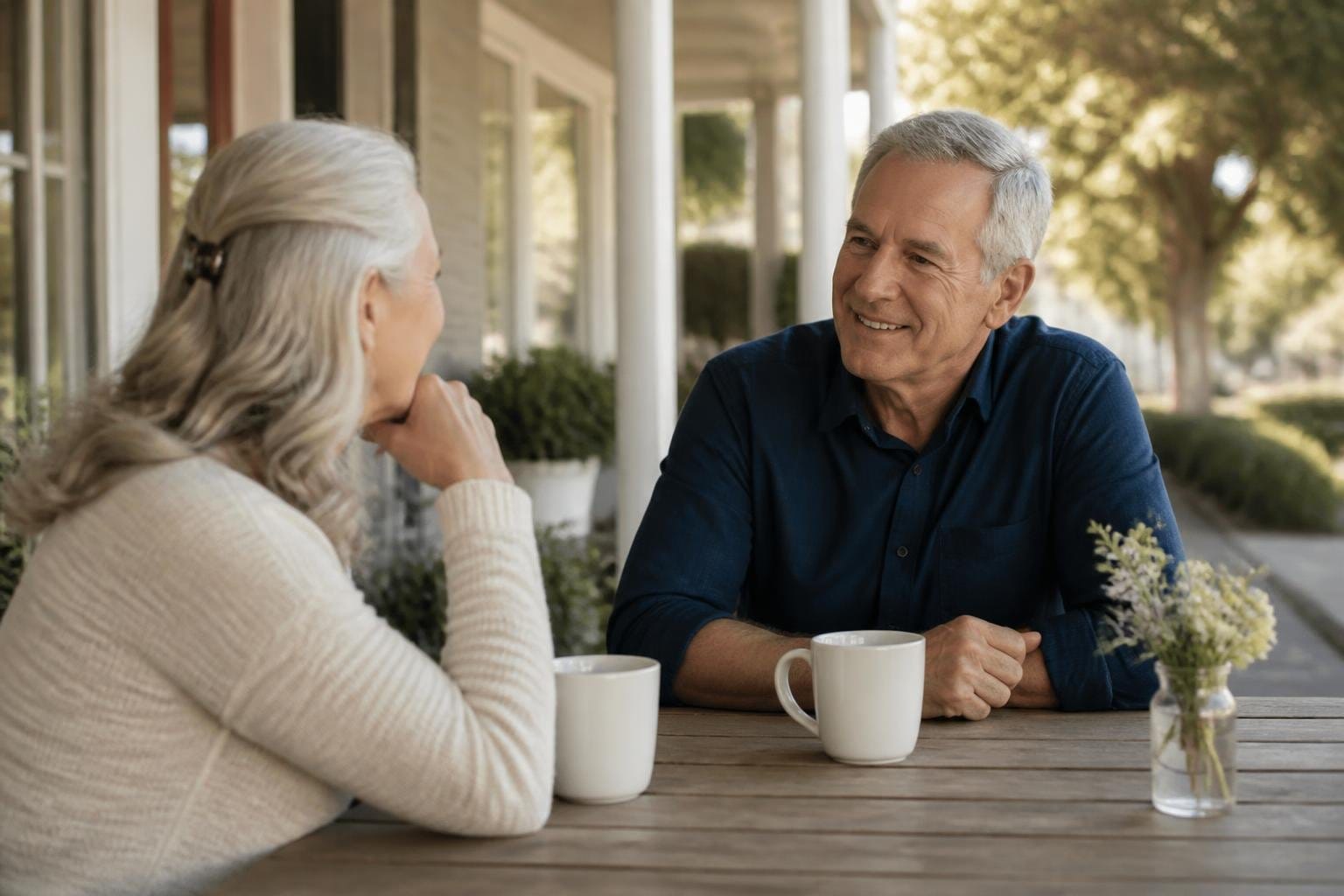
Dating after the loss of a spouse is one of the most emotionally complex experiences a person can face. There is no universal timeline, but understanding your feelings can help you decide when moving forward feels right. If you’re over 50 and considering dating again, understanding when you’re ready will help avoid unnecessary pain and make the experience more positive. This article explores emotional readiness, practical steps to ease into dating, safety considerations, and how to respect your feelings and boundaries throughout the process.
Understanding the Emotional Journey After Losing a Spouse
Grief is deeply personal and rarely follows a straight path. You might find yourself cycling through different feelings—sadness, anger, loneliness, relief, or guilt—in unpredictable ways. Because grief changes over time and varies widely from person to person, emotional readiness to date again doesn’t follow a fixed timeline.
It’s common to have setbacks, especially in the early stages. Some days, the idea of a new relationship might feel impossible. On others, you might feel curious or hopeful. Allowing yourself to experience these emotions without judgment is important, rather than imposing a deadline for “moving on.”
Challenges during grief can include confronting loneliness, adjusting to life without your spouse, and managing routines that used to be shared. Sometimes, external pressure from friends or family might prompt you to think about dating sooner than you feel ready. Recognizing your own pace—and that it’s okay if it differs from others—is the first step toward emotional preparation.
Signs You Might Be Ready to Date Again
While there’s no “right” time after a loss to start dating, several signs might indicate emotional readiness:
- Stability in Daily Life and Emotions: Feeling more balanced day-to-day with fewer intense or overwhelming moments of grief.
- Lack of Overpowering Guilt or Confusion About Moving On: While feelings of guilt are natural, if they dominate your thoughts and cause distress, it might signal more healing is needed before dating.
- Curiosity and Genuine Interest in Meeting New People: Wanting to engage socially without feeling pressured or obligated.
- Desire for Companionship, Not Replacement: Being comfortable with the past and understanding a new relationship can complement your life without erasing or replacing your late spouse’s memory.
That last point is crucial. Dating after loss isn’t about finding someone to fit exactly into the role your spouse had. It’s about opening a new door to companionship, connection, and shared interests at your own rhythm.
Addressing Emotional Barriers Before Dating
Exploring new relationships while still grieving requires managing some common emotional barriers:
- Grief Triggers: Certain dates, anniversaries, or reminders can be deeply painful, and they may unexpectedly surface during dating. Preparing yourself for this and allowing room for grief alongside hope helps reduce pressure.
- Guilt and Loyalty Concerns: It is common to worry about betraying your late spouse’s memory by moving forward emotionally or romantically. Understanding that moving on doesn’t diminish what you had can help ease these feelings. For practical advice on coping with these emotions, you can visit handle guilt when dating after loss.
- Respecting Your Own Timeline: No one else should dictate when you start dating. Being honest with yourself about your emotional capacity and readiness is more important than external expectations.
Allowing grief and dating feelings to coexist—rather than forcing one to end completely before the other begins—can make the transition easier.
Practical Steps to Ease Into Dating
If you feel ready or curious about dating but aren’t sure how to begin, consider these steps:
- Reflect on What You Want: Think about what kind of relationship you’re looking for now. Is it casual companionship, friendship, or a potential long-term partnership? Knowing this helps clarify your intentions.
- Start with Social Activities: Before formal dating, engage in group activities or clubs where meeting others doesn’t carry romantic pressure. This can ease anxiety and rebuild confidence in social settings.
- Sharing Your Loss Story: Think about when and how you want to talk about your late spouse. There’s no set rule, but it often works best once you have established some comfort and trust. Being honest about your past while focusing on your present helps set clear, respectful expectations.
Starting slowly, in familiar or low-pressure settings, is a safe way to explore new connections and understand your feelings better.
How to Start Dating After Loss at Age 50 and Beyond
Dating after a significant loss presents unique challenges in later adulthood. Some hesitate due to unfamiliarity with the current dating scene or fear of rejection. For those navigating these issues, insights into age-specific concerns can help:
- Overcoming Hesitations: If technology or online dating seems intimidating, breaking down the process into manageable steps can help. For a detailed introduction, visit how to start dating again after 50.
- Choosing a Safe and Comfortable Environment: Whether meeting people in community groups, at social events, or online, select environments where you feel secure and supported.
- Balancing Optimism with Self-Care: Maintain hopefulness about forming new connections while protecting your emotional health. Set limits on how much energy and focus you put into dating activities.
Because older adult dating settings vary widely—from casual meetups to sophisticated online platforms—familiarizing yourself with options and their demands is valuable before diving in.
Navigating First Dates After Loss
That first date can bring excitement but also anxiety. Preparation helps reduce pressure and makes the experience more enjoyable.
- Emotional and Practical Preparation: Keep your expectations realistic. A date is a chance to learn about someone else—not a make-or-break verdict on your future. Prepare topics to talk about besides loss to keep the conversation balanced.
- Managing Expectations: Both for yourself and the other person, clarity about what you want and where you stand emotionally makes interactions smoother.
- Tips for Singles Over 50: To enhance your first dating experiences, consider advice tailored to your age group, including appropriate etiquette and conversation starters—see first date tips for singles over 50.
Keeping early communication on a secure platform until you feel comfortable, meeting in public places, and informing a trusted friend about your plans are all practical safety steps you can take.
When and How to Introduce the Topic of Your Late Spouse
Talking about your late spouse is an important moment that influences trust and openness in a new relationship.
- Timing: Share your story when you feel emotionally ready and when it naturally fits into your conversations. Early transparency about your past is respectful but doesn’t require going into all details immediately.
- Communication Style: Be honest and calm in explaining your relationship history. Highlight that your late spouse was a significant part of your life while expressing your wish to develop something new.
- Responding to Partner Reactions: People respond differently—some with empathy and support, others with uncertainty. Gauge their attitude without rushing, and notice if their response respects your experience.
This openness builds the foundation for clear expectations and mutual understanding.
Respecting Your Own Boundaries and Pace
Dating after loss means continuously checking in with yourself and honoring what feels right.
- Listening to Instincts: If a connection or situation doesn’t feel safe or comfortable, it’s okay to step back. Trusting your feelings protects emotional well-being.
- Setting Clear Boundaries: Define what you are ready for physically and emotionally. Communicate these boundaries gently but firmly.
- Recognizing When to Slow Down or Pause: If dating creates exhaustion or unease, allow yourself breaks or to stop altogether until you feel strong again.
Your comfort and self-respect are priorities throughout.
Seeking Support
You don’t have to face this transition alone. Support plays a crucial role in managing feelings and gaining perspective:
- Trusted Friends and Family: Talking openly with people who know your history can bring comfort and advice.
- Professional Counseling: Grief and adapting to changes sometimes require guidance from a trained therapist who can help manage complex emotions.
- Connecting with Widowed or Single Older Adults: Peer groups or community organizations focused on widows and singles over 50 offer shared understanding and companionship opportunities.
Support networks help maintain balance and encourage healthy progress.
Conclusion
Deciding to date after the loss of a spouse is deeply personal and varies widely from one person to another. There’s no timetable or “should” to follow—only your feelings and comfort can guide you. Be patient and kind to yourself as you explore this new aspect of life.
Dating can bring enjoyable social connection and companionship, but it’s one part of a broader healing process. Respect your past, honor your present feelings, and move forward on your own terms. Your journey toward companionship after loss is, above all, about what feels right for you.
Frequently Asked Questions
1. How do I know when I’m emotionally ready to start dating after losing my spouse?
Emotional readiness varies for everyone and doesn’t follow a set timeline. Signs you might be ready include feeling stable in daily emotions, experiencing less overwhelming guilt about moving forward, genuine curiosity about meeting new people, and wanting companionship—not to replace your late spouse. Listen to your feelings without pressure, and consider if you can handle grief alongside new social experiences.
2. What practical steps can I take to ease back into dating after loss?
Start by reflecting on what type of relationship you want, whether casual or serious. Engage in social activities or group events first to rebuild confidence without romantic pressure. When you begin dating, choose comfortable and safe environments, be honest about your past when the time feels right, and pace yourself to avoid emotional overwhelm.
3. How can I manage feelings of guilt or loyalty toward my late spouse when dating again?
It’s normal to feel guilty or worry about betraying your spouse’s memory. Remember, moving forward doesn’t erase your past or the love you shared. Accept that forming new connections complements your life and honors your experience. Allow grief and hope to coexist, and give yourself permission to heal at your own pace.
4. What are important safety tips for dating after 50, especially when meeting new people?
Prioritize your safety by meeting in public places, keeping early communication on secure platforms, and informing a trusted friend about your plans. Trust your instincts—if something feels uncomfortable, it’s okay to pause or end the interaction. Choose dating settings where you feel supported and respected, whether online or in-person.
5. When and how should I bring up my late spouse in a new relationship?
Share your story when you feel emotionally ready and it fits naturally into the conversation. Be honest yet calm, explaining that your late spouse was an important part of your life but that you’re open to developing new connections. Pay attention to your partner’s reactions and ensure they respect your experience as you build trust together.